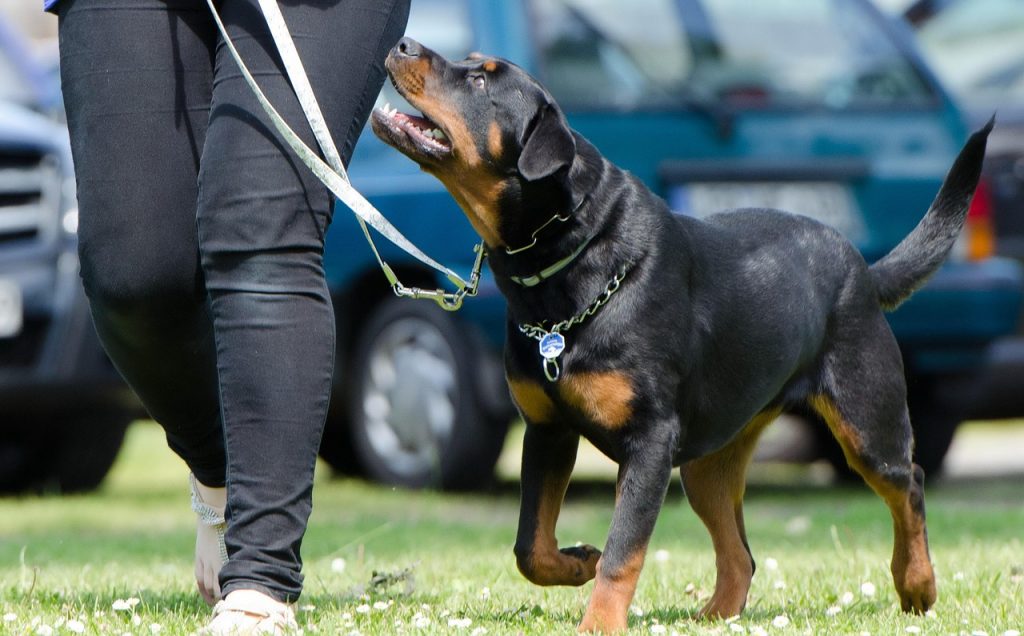
The Big Dog, The Big Responsibility
The Rottweiler is a robust, physically powerful breed, but like all purebreds, they are predisposed to certain genetic and physical health concerns. Because they are a large, fast-growing breed, responsible ownership necessitates proactive care, particularly concerning their musculoskeletal system.
Understanding the Rottweiler’s health blueprint—from puppyhood growth to adult maintenance—is the best way to maximize their relatively short lifespan (typically 8 to 10 years) and ensure their quality of life remains high.
1. The Orthopedic Imperative: Hip and Elbow Dysplasia
Hip and elbow dysplasia are the most common and serious genetic health issues facing Rottweilers. These conditions involve the abnormal development of the hip or elbow joints, leading to painful arthritis, mobility problems, and often requiring expensive surgery.
Preventative Screening (Before You Buy):
The single most important preventative measure happens before you bring your puppy home:
- OFA and PennHIP: Never purchase a Rottweiler puppy unless both parents have current certifications from the Orthopedic Foundation for Animals (OFA) or the University of Pennsylvania Hip Improvement Program (PennHIP). These certifications ensure the parents have healthy joints, significantly reducing the risk inherited by the puppies. A reputable breeder will provide these documents freely.
Preventative Management (During Growth):
The way a Rottweiler puppy grows determines its adult joint health.
- No Forced Exercise: The crucial period for growth plates (the soft bone ends where growth occurs) is up to 18 months. Avoid high-impact, repetitive activities like long runs, aggressive jumping, and repetitive fetch on hard surfaces during this time. Keep exercise controlled, short, and low-impact (swimming is excellent).
- Controlled Weight: Overweight puppies put excessive strain on developing joints. Work with your vet to maintain a lean body condition throughout the puppy stage.
2. Diet and the Threat of Bloat (GDV)
Gastric Dilatation-Volvulus (GDV), commonly known as bloat, is a life-threatening, rapid-onset emergency common in deep-chested breeds like the Rottweiler. The stomach fills with gas (dilatation) and then twists (volvulus), cutting off blood supply. Without immediate surgical intervention, it is fatal.
Bloat Prevention Strategies:
- Slow Down Feeding: Use slow-feeder bowls or puzzle toys to prevent your dog from gulping air along with their food.
- Small, Frequent Meals: Divide the dog’s daily ration into two or three smaller meals, rather than one large meal.
- The Post-Meal Rest Rule: Avoid intense exercise, play, and large amounts of water for at least 30 minutes before and 60 minutes after meals.
- Recognize the Signs: Know the symptoms of bloat: Retching without vomiting, restlessness, excessive drooling, and a distended or rigid abdomen. This is an emergency that requires an immediate trip to the veterinary hospital.
3. Other Significant Health Concerns
While joints and bloat are primary concerns, responsible Rottweiler ownership involves vigilance for other issues:
| Concern | Description | Prevention/Management |
| Cardiac Issues | Subaortic Stenosis (SAS): A hereditary heart defect that restricts blood flow. | Reputable breeders screen breeding stock using veterinary cardiology evaluations. |
| Certain Cancers | Rottweilers have a higher incidence of cancers like Osteosarcoma (bone cancer) and Lymphoma. | Annual vet check-ups, regular screening blood panels (especially as they age), and quick investigation of any new lumps or lameness. |
| Eyelid Issues | Entropion and Ectropion: Eyelids that roll inward or outward, causing irritation or exposure. | Often corrected with surgery. Check breeder histories for incidence. |
4. The Importance of Weight Management
For a Rottweiler, being overweight is not just a cosmetic issue; it drastically compounds the risk of joint issues and reduces overall longevity.
- Body Condition Score: Learn to assess your dog’s body condition score (BCS). You should be able to easily feel the ribs without pressing hard, and the dog should have a visible tuck at the waist when viewed from above.
- Dietary Quality: Feed a high-quality, large-breed formula appropriate for the dog’s life stage (puppy, adult, senior). Consult your veterinarian about joint supplements like Glucosamine and Chondroitin, which can be highly beneficial as a preventative measure.
Caring for a Rottweiler is a partnership that requires diligence. By prioritizing preventative care, sourcing your puppy responsibly, and committing to proper nutrition and controlled exercise, you are laying the strongest possible foundation for a long, healthy, and happy life together.