Understanding the Breed’s Legacy
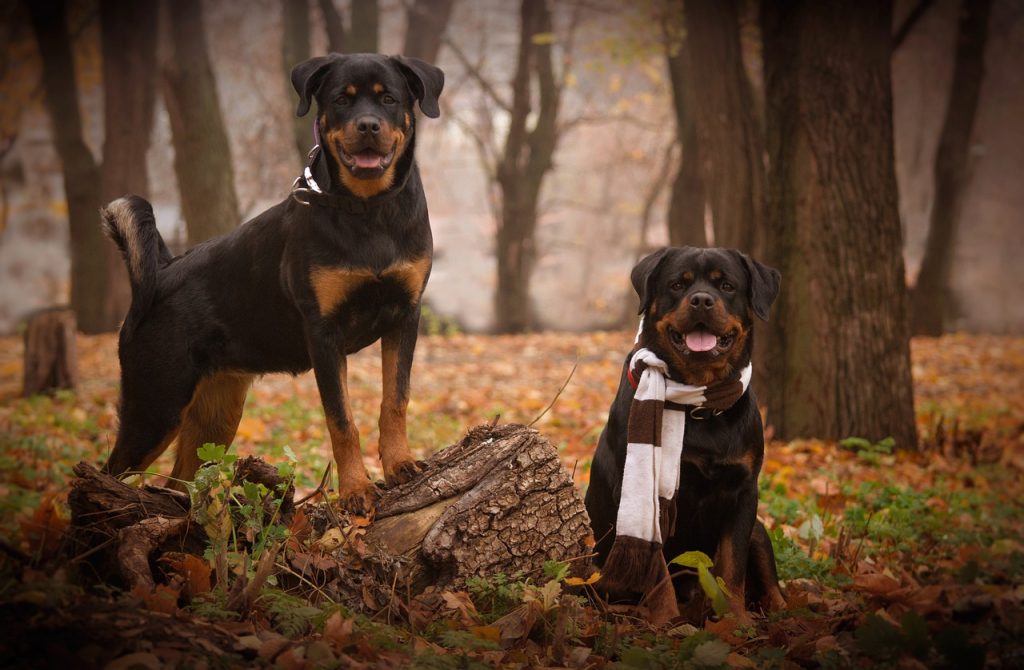
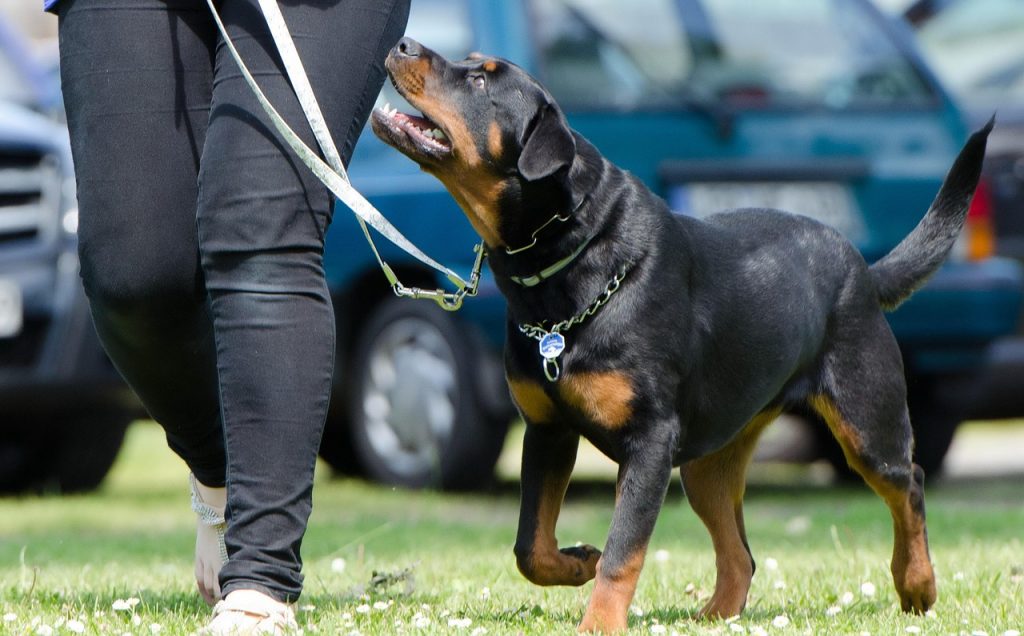
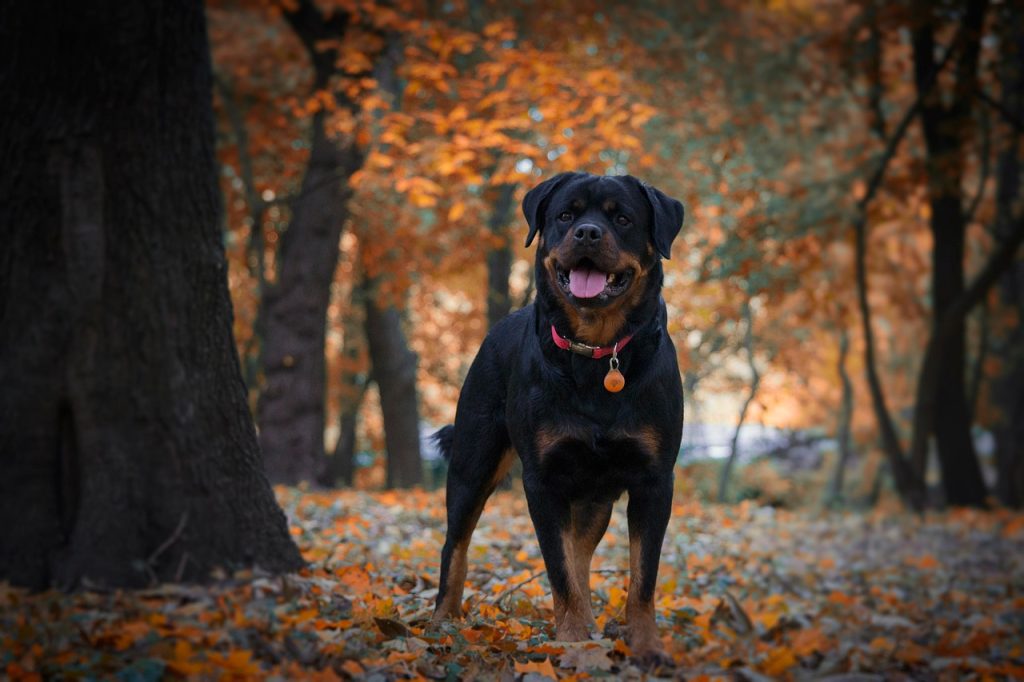
Few dog breeds carry the heavy baggage of stereotype quite like the Rottweiler. Popular media often paints them as snarling, aggressive villains—a depiction that is both grossly unfair and dangerously misleading. To truly understand the American Rottweiler is to look past the sensationalized reputation and appreciate their true heritage: that of a confident, courageous, and profoundly loyal working dog.
The Rottweiler’s temperament is a careful balance of reserved independence and deep affection. For the committed owner, they are not fearsome beasts; they are dedicated family guardians, often described lovingly as “Velcro Rotties” due to their need to be near their human counterparts.
If you are considering bringing a Rottweiler into your life, understanding their actual nature is the first step toward responsible ownership.
1. The Working Heritage: Cattle Drivers to Confident Companions
The Rottweiler’s DNA is rooted in purpose. Their lineage traces back to Roman drover dogs, used to herd cattle and guard camps across Europe. Later, in the German town of Rottweil, they became known as the “butcher’s dog” (Rottweiler Metzgerhund), serving as indispensable helpmates—pulling carts of meat, guarding money, and driving livestock.
This history informs the modern Rottweiler’s core drives:
- A Need for a Job: They thrive on having a task. A bored Rottweiler is a destructive Rottweiler. Their intelligence requires mental engagement as much as physical exercise.
- Methodical Nature: They are not impulsive; they are thinkers. They observe their surroundings and react deliberately, which makes them excellent in security roles.
- Guardian Instinct: Their protective nature is inherent, but it should be a reserved vigilance, not explosive aggression. They are watchful observers, not reactive fighters.
2. The Hallmark of Temperament: Calmness, Confidence, and Courage
A well-bred American Rottweiler, meeting the breed standard recognized by the American Kennel Club (AKC), should possess three critical traits:
A. Calmness
A stable Rottweiler is a placid presence in the home. They should not be jumpy, anxious, or perpetually hyperactive. They possess an “off switch” and should be able to settle quietly when not engaged in activity. This calmness is essential for a dog of their size, ensuring they don’t accidentally knock over children or furniture.
B. Confidence
This is perhaps the most important trait. A confident Rottweiler is self-assured and reserved. They are not nervous, and they do not need to compensate for fear with aggression. They should view new situations and people with mild curiosity or indifference, not suspicion or fear. Fear-based aggression is a serious fault in the breed.
C. Courage (The Guardian)
Their courage is quiet and measured. When properly socialized, they welcome friendly guests but maintain a reserved distance. They will stand their ground and protect their family or territory if a clear, credible threat is presented. This protective drive should always be guided by the handler’s command.
3. Dispelling the Aggression Myths
The negative stereotypes surrounding the Rottweiler almost always stem from two core failures: irresponsible breeding and poor training/socialization.
- Irresponsible Breeding: Dogs bred without temperament testing, or those bred for exaggerated guarding instincts, are often nervous, volatile, and lack the necessary mental stability. This is why finding a reputable breeder who prioritizes stable temperament is non-negotiable.
- Lack of Socialization: A large, powerful dog that is isolated as a puppy will inevitably become fearful of the unknown. Fearful dogs are dangerous dogs. Intense, consistent, and positive socialization throughout their critical development period (up to 16 weeks) is essential to develop a stable, confident adult.
The Reality: Properly socialized Rottweilers are often excellent family dogs, exhibiting patience and playfulness with their family. They generally form a strong, deep bond with children in the home and are known for their patient tolerance.
4. The “Velcro Rottie”: Loyalty and Affection
Despite their imposing appearance, Rottweilers are intensely affectionate with their inner circle. They do not do well when routinely isolated in a yard or kennel.
- The Need for Closeness: They need to be involved in family life. They will follow you from room to room—a trait that earned them the “Velcro” nickname—and thrive on physical contact and reassurance.
- The Emotional Barometer: They are highly attuned to their owner’s emotions. They sense anxiety or distress and will often attempt to comfort or guard the person they perceive as vulnerable.
- Handling the Protective Instinct: While their loyalty is a positive trait, their instinct to protect requires constant management. The owner must consistently demonstrate to the Rottweiler that the human is the primary decision-maker and protector, not the dog. This reinforces the hierarchy and prevents the dog from feeling the need to take on the entire burden of security.
The Rottweiler is a demanding breed. They demand respect, structure, and a deep commitment to training and socialization. But in return, they offer unmatched loyalty, unwavering companionship, and the quiet, confident protection of a true family guardian. If approached with knowledge and consistency, the Rottweiler is truly a gentle giant in a powerful frame.